Ceylon Blue Sapphire
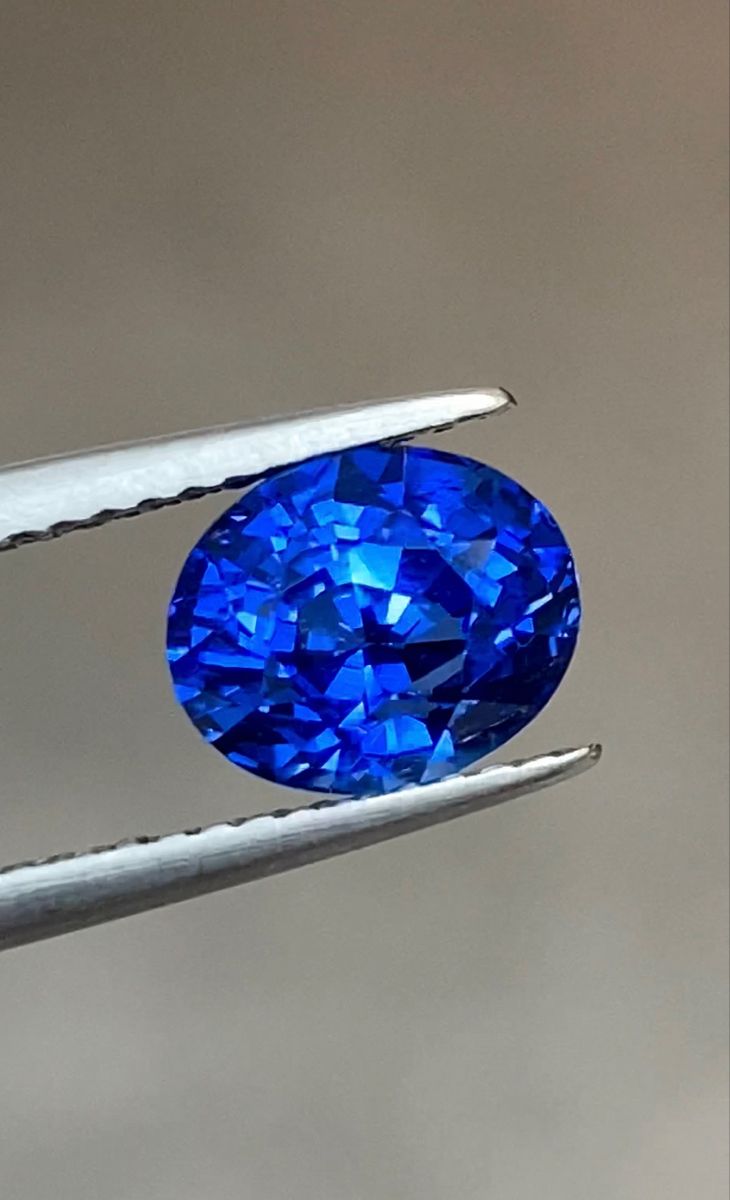
Sri Lanka's signature gemstone, cornflower to royal blue, prized worldwide for its clarity, colour and provenance.
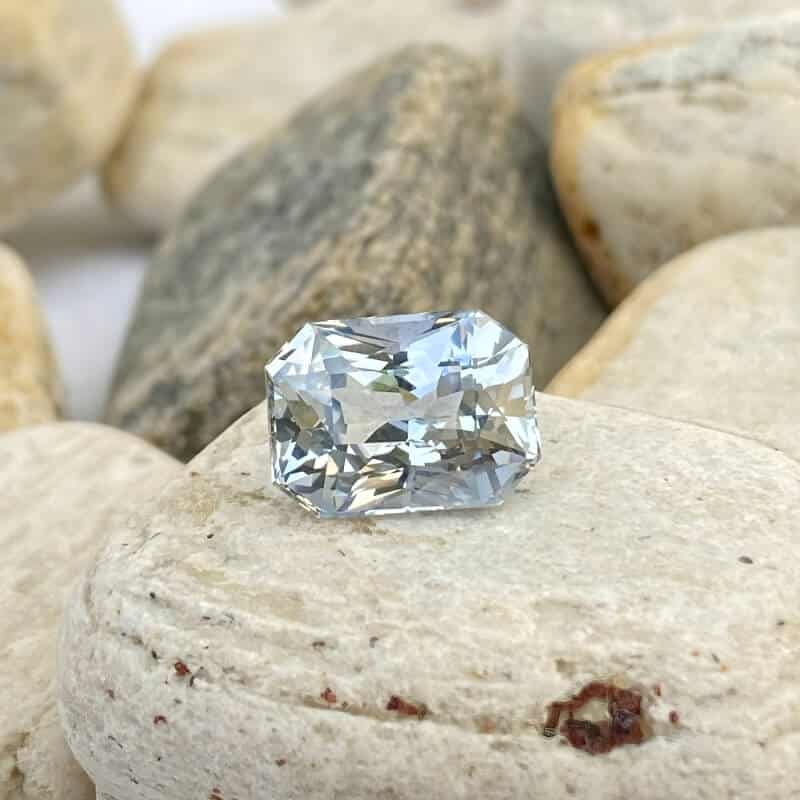
The Ceylon blue sapphire is the gemstone that made Sri Lanka, historically known as Ratna-Dweepa, the “Island of Gems”, famous across the ancient and modern world. Mined principally around Ratnapura and Elahera, Ceylon blue sapphires are celebrated for a luminous, slightly lighter blue than their Kashmir or Burmese counterparts, with exceptional transparency and life.
A sapphire is the blue variety of the mineral corundum (crystalline aluminium oxide). Its blue comes from trace amounts of iron and titanium within the crystal. Ceylon stones are famous for vivid “cornflower” and “royal” blues that hold their colour beautifully in both daylight and artificial light, a quality that places them among the most sought-after coloured gemstones for fine jewellery and investment.
Every Ceylon blue sapphire we offer is traced to a verified Sri Lankan source, evaluated by qualified gemologists, and available with independent certification so international buyers can purchase with complete confidence.
- Origin
- Sri Lanka (Ceylon)
- Hardness
- 9 (Mohs)
- Colour range
- Cornflower → royal blue
- Treatment
- Untreated & heat-only available
Ceylon Blue Sapphire at a glance
- Mineral species
- Corundum (Al₂O₃)
- Variety
- Blue sapphire
- Mohs hardness
- 9.0
- Refractive index
- 1.762, 1.770
- Specific gravity
- ≈ 4.00
- Crystal system
- Trigonal
- Cause of colour
- Iron & titanium
- Primary sources
- Ratnapura, Elahera, Balangoda
Why Ceylon blue sapphires are famous worldwide
Ceylon sapphires combine three qualities that buyers prize: a bright, saturated-yet-luminous blue, naturally high clarity, and a centuries-old reputation for authenticity. Their slightly lighter tone means they sparkle rather than darken under evening light, a practical advantage for engagement rings and statement jewellery.
Sri Lanka also has an enviable reputation for ethical, artisanal mining and for stones that are frequently untreated or only gently heat-treated. For collectors and investors, a certified untreated Ceylon blue sapphire of fine colour is among the most liquid and respected assets in the coloured-stone market.
Buying guide: choosing a Ceylon Blue Sapphire
A simple framework for evaluating quality, our gemologists are happy to guide you through real, certified options matched to your needs.
Colour
Look for an even, vivid blue, “cornflower” (medium, slightly soft) and “royal” (deep, electric) command the highest premiums. Avoid stones that turn inky or grey under low light.
Clarity
Ceylon sapphires are typically “eye-clean.” Fine silk can actually improve colour and prove natural origin, but obvious dark inclusions or fractures reduce value.
Cut
A precise cut maximises brilliance and even colour. Well-cut Ceylon sapphires show no large windows (see-through flat zones) and return light across the whole stone.
Carat & treatment
Price per carat rises sharply with size and with “no heat” status. Always confirm treatment on the certificate: untreated stones carry a significant premium.
Buy with documented confidence.
Each stone can be supplied with a report from an internationally recognised laboratory confirming species, origin indication, and treatment status (e.g. “no indication of heating”). We strongly recommend buying certified for any significant Ceylon blue sapphire purchase.
Request a certified stoneUnderstanding value.
Ceylon blue sapphire pricing is driven primarily by colour quality and treatment. As a guide, vivid royal-blue, untreated stones with good clarity command the strongest premiums, while lighter or heat-treated material is more accessible.
- Colour saturation & tone
- Untreated vs. heat-treated
- Clarity & cut quality
- Carat weight
- Independent certification
Ceylon Blue Sapphire FAQs
Are Ceylon blue sapphires natural?
Yes. We deal exclusively in natural sapphires mined in Sri Lanka, never synthetic or lab-grown. Each stone is traced to a verified source and can be independently certified.
What is the difference between “heated” and “unheated” sapphires?
Heat treatment is a long-accepted process that improves colour and clarity. Unheated (“no heat”) sapphires are entirely natural in appearance and command a premium. We offer both and disclose treatment on every stone.
Why are Ceylon sapphires considered the best?
Sri Lankan sapphires are prized for their luminous blue, high clarity, and a large proportion of untreated material, backed by a centuries-old reputation for authenticity and ethical mining.
Can I buy a Ceylon blue sapphire for an engagement ring?
Absolutely. At Mohs hardness 9, sapphire is second only to diamond and ideal for everyday wear. We can help you select a stone matched to your setting, budget and certification needs.
Do you ship Ceylon sapphires internationally?
Yes. We export certified Ceylon gemstones worldwide with secure, insured logistics and full documentation for customs and your records.
How much does a Ceylon blue sapphire cost?
Price depends mainly on colour, treatment, clarity and size. Contact us with your requirements and budget and we will share matched, certified options with transparent pricing.
Enquire about Ceylon Blue Sapphire
Tell us your requirements for ceylon blue sapphire, colour, size, treatment and budget, and our gemologists will reply with matched, certified options and transparent pricing.
- Ethically & traceably sourced
- Gemologist-verified
- Independent certification
- Secure worldwide export
Related Ceylon gemstones
Source Ceylon's finest gems with complete confidence.
Whether you're buying, selling, or planning a visit to the source, talk to our gemologists. An expert opinion costs nothing.