Padparadscha Sapphire
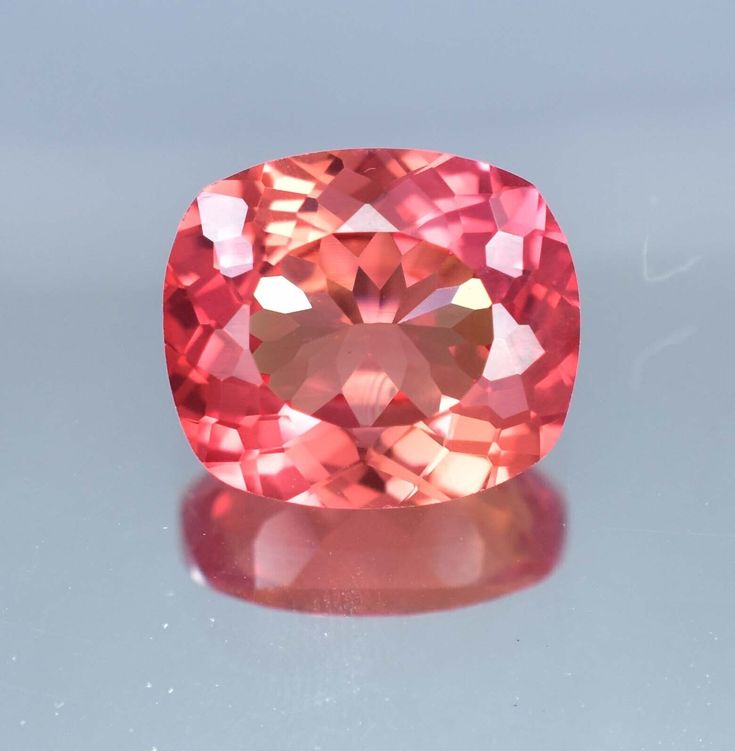
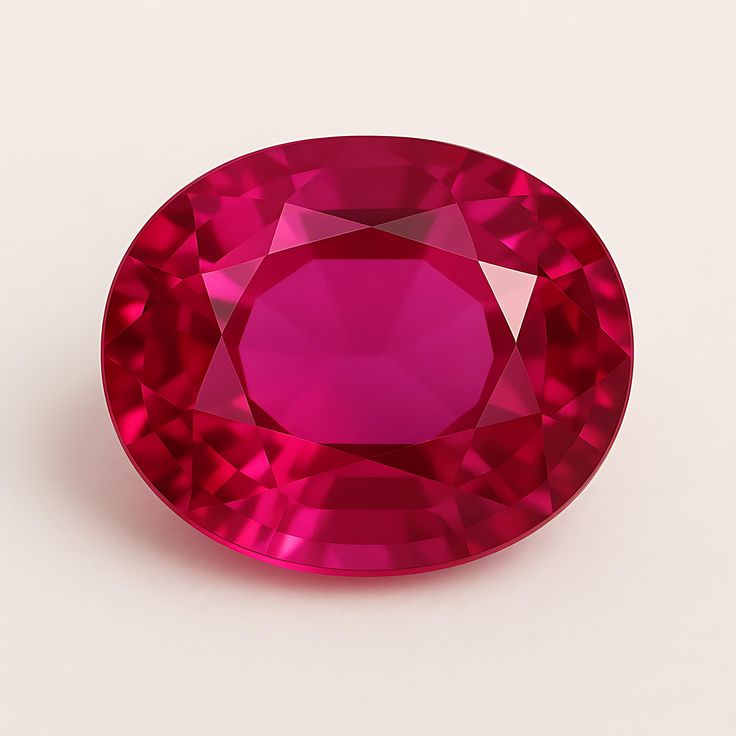
The legendary pink-orange “lotus” sapphire, the rarest and most coveted of all Ceylon sapphires.
The padparadscha is the most romantic and elusive of all sapphires. Its name comes from the Sinhalese word for the lotus blossom, and a true padparadscha captures that flower’s impossible blend of soft pink and warm orange in a single stone. Sri Lanka is the classic and most respected origin for this gem.
Like all sapphires, padparadscha is a variety of corundum, but its delicate colour places it in a category of its own. Genuine padparadschas must show a harmonious mix of pink and orange, neither pure pink (which is a pink sapphire) nor pure orange. Because the colour window is so narrow and the material so scarce, fine padparadschas can rival or exceed blue sapphires in value.
We source padparadscha sapphires directly from Sri Lankan deposits and offer independent certification, essential for a gem whose definition and value rest entirely on the precise nuance of its colour.
- Origin
- Sri Lanka (classic source)
- Hardness
- 9 (Mohs)
- Colour
- Pink-orange (lotus)
- Rarity
- Exceptional
Padparadscha Sapphire at a glance
- Mineral species
- Corundum (Al₂O₃)
- Variety
- Padparadscha sapphire
- Mohs hardness
- 9.0
- Refractive index
- 1.762, 1.770
- Specific gravity
- ≈ 4.00
- Crystal system
- Trigonal
- Cause of colour
- Chromium & colour centres
- Primary source
- Ratnapura region, Sri Lanka
Why padparadscha is so coveted
A padparadscha sits at the meeting point of two rare colours. The pink must be present, the orange must be present, and the two must blend evenly, a balance nature achieves only rarely. Stones that hold this “sunset” glow in larger sizes are among the scarcest gems on earth.
Sri Lanka’s status as the original and benchmark source adds to the prestige. A certified Ceylon padparadscha of genuine pink-orange colour is a true collector’s gem, and demand from connoisseurs consistently outstrips supply.
Buying guide: choosing a Padparadscha Sapphire
A simple framework for evaluating quality, our gemologists are happy to guide you through real, certified options matched to your needs.
Colour balance
The defining factor. Seek a gentle, even mix of pink and orange. Strongly one-sided stones are technically pink or orange sapphires and should be priced as such.
Saturation
Pastel-to-medium saturation is classic for padparadscha. The colour should glow softly rather than appear dull or brownish.
Clarity & cut
Eye-clean material is preferred, and a balanced cut keeps the delicate colour even across the stone with no dark or washed-out zones.
Certification
Because the name itself carries enormous value, always insist on a report from a respected lab confirming the “padparadscha” colour classification.
Buy with documented confidence.
Given how much value rests on colour nomenclature, a padparadscha should always be accompanied by an independent laboratory report classifying the colour and confirming natural origin and treatment status. We provide certified stones and can arrange specific labs on request.
Request a certified stoneUnderstanding value.
Padparadscha pricing is among the highest in the sapphire family. Genuine, well-balanced pink-orange stones with certification command strong premiums, rising steeply with size and colour purity.
- Pink-orange colour balance
- Saturation & evenness
- Untreated vs. treated
- Carat weight
- Laboratory classification
Padparadscha Sapphire FAQs
What makes a sapphire a true padparadscha?
A genuine padparadscha shows a harmonious blend of pink and orange, the colour of a lotus flower or a tropical sunset. Stones that are predominantly pink or orange do not qualify and are valued differently.
Why are padparadscha sapphires so expensive?
They are extraordinarily rare. The exact pink-orange colour occurs in only a tiny fraction of corundum, and Sri Lanka, the classic source, produces limited quantities, so fine stones are highly sought after.
Is Sri Lanka the best source for padparadscha?
Sri Lanka (Ceylon) is the original and most respected source for padparadscha sapphires, and Ceylon origin is often reflected in a stone’s value and desirability.
Should a padparadscha be certified?
Yes, strongly recommended. Because the value hinges on the precise colour classification, an independent laboratory report is essential for any serious purchase.
Do you export padparadscha sapphires worldwide?
Yes. We supply certified padparadscha sapphires to collectors and jewellers internationally with secure, insured shipping and full documentation.
Are padparadscha sapphires a good investment?
Fine, certified padparadschas are among the most respected coloured-stone assets due to their rarity and consistent collector demand, though as with any gem we recommend buying quality and certification.
Enquire about Padparadscha Sapphire
Tell us your requirements for padparadscha sapphire, colour, size, treatment and budget, and our gemologists will reply with matched, certified options and transparent pricing.
- Ethically & traceably sourced
- Gemologist-verified
- Independent certification
- Secure worldwide export
Related Ceylon gemstones
Source Ceylon's finest gems with complete confidence.
Whether you're buying, selling, or planning a visit to the source, talk to our gemologists. An expert opinion costs nothing.