Fine coloured gemstones have stored value for centuries. But not every gem is an investment. This guide explains what separates investment-grade stones from the rest.
What makes a gem investment-grade
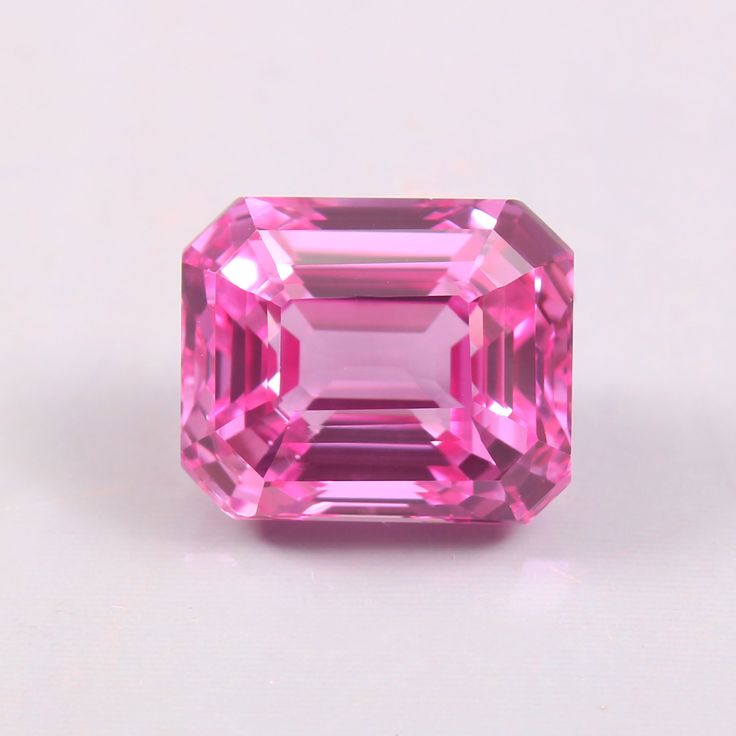
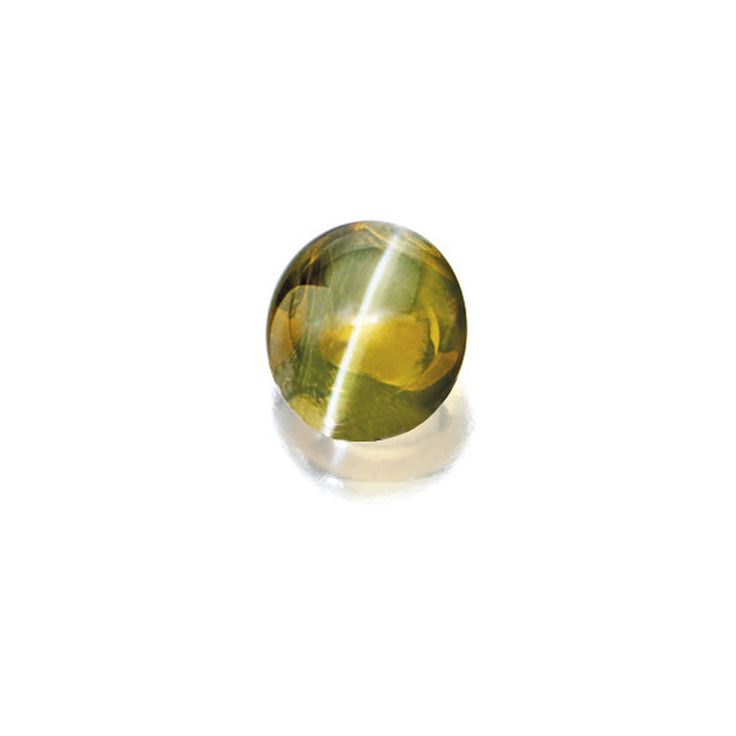
Investment-grade gems combine rarity, fine quality and durability: top colour, good clarity, a quality cut, meaningful size, and ideally untreated status, all backed by independent certification.
Why certification and rarity matter
Certification provides the objective evidence a future buyer will demand, while rarity (fine colour, untreated material, larger sizes) underpins long-term desirability. Common, treated, commercial stones rarely appreciate.
Liquidity and horizon
Gems are a long-horizon, less-liquid asset than stocks or gold. Selling a fine stone takes the right buyer and the right documentation, so invest only with patience and quality.
Risks to understand
Risks include over-paying at retail mark-ups, buying treated stones sold as untreated, and illiquidity. Buying quality, certified stones at fair (ideally source-direct) prices mitigates much of this.
Key takeaways
- Investment-grade = rarity + fine quality + durability + certification.
- Untreated, top-colour, larger stones hold value best.
- Gems are a long-horizon, less-liquid asset, buy quality and keep documentation.