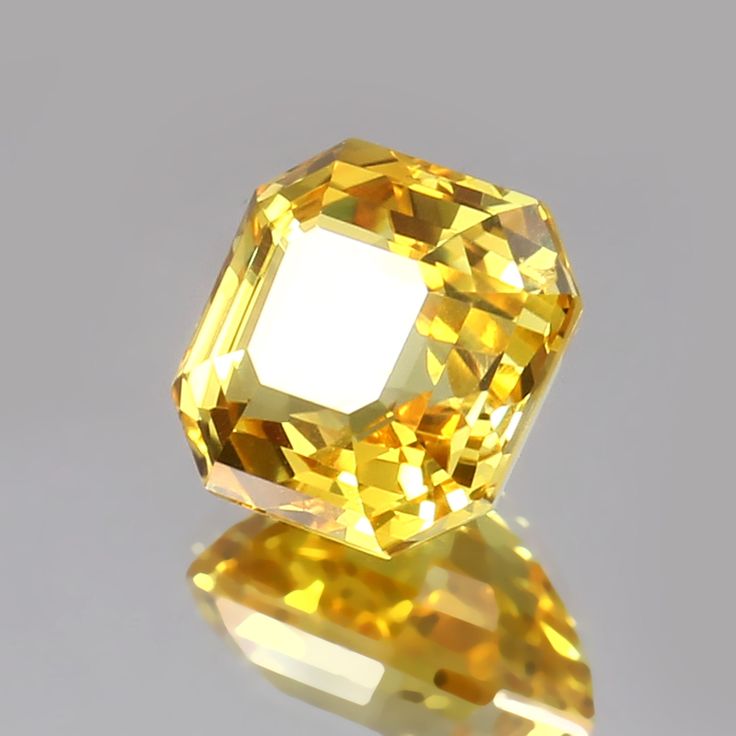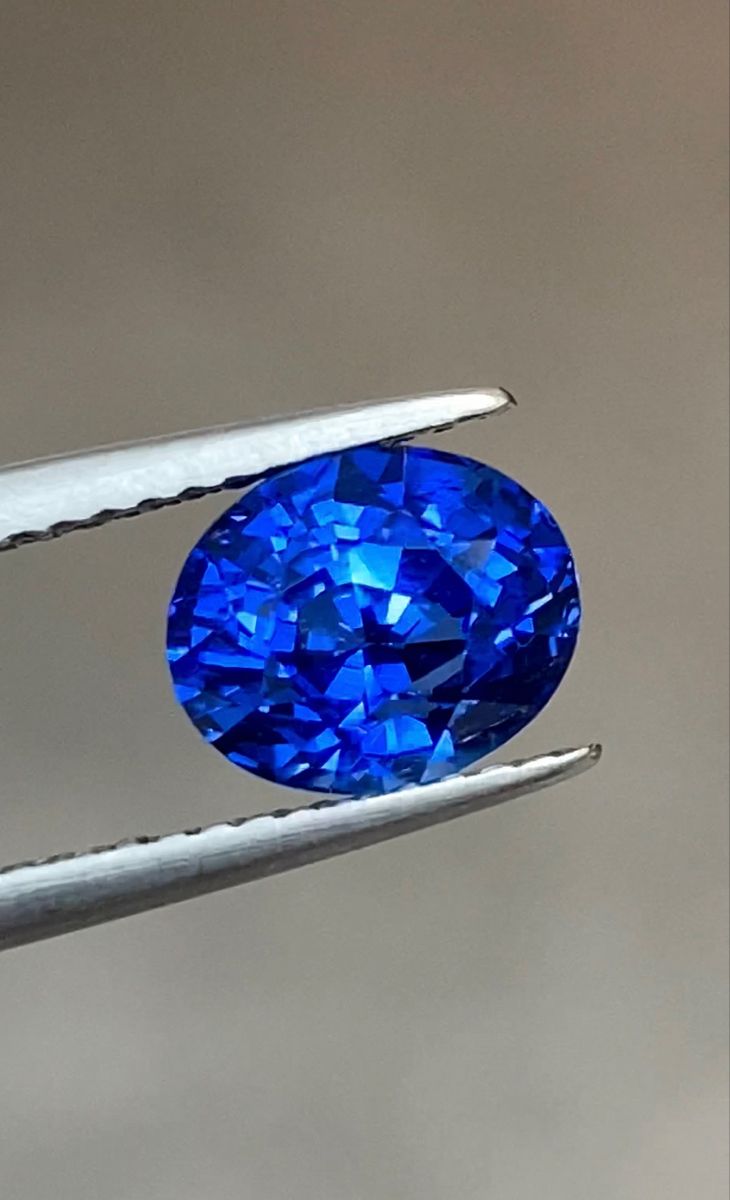
As natural sapphire prices have risen, so has the sophistication of synthetic (lab-grown) and imitation stones. For buyers, knowing how authenticity is established is essential.
Natural vs. synthetic vs. imitation
A natural sapphire forms in the earth over millions of years. A synthetic sapphire has the same chemistry but is grown in a laboratory. An imitation merely looks like sapphire (glass, spinel or other stones). Only a natural sapphire carries the rarity, and value, buyers are paying for.
Inclusions tell the story
Under magnification, natural sapphires usually show characteristic inclusions, fine “silk,” crystals or growth features formed in nature. Synthetics often show curved growth lines or gas bubbles that nature does not produce. Reading these requires a trained gemologist and proper equipment.
What you can (and can’t) judge by eye
Hardness, a cool feel and certain optical effects can hint at sapphire, but they cannot reliably separate natural from synthetic. Treat any stone sold as natural without documentation with caution.
Why certification is decisive
The only sure proof is an independent gemmological report, which confirms natural corundum, identifies treatment, and may indicate origin. Always buy significant stones with certification.