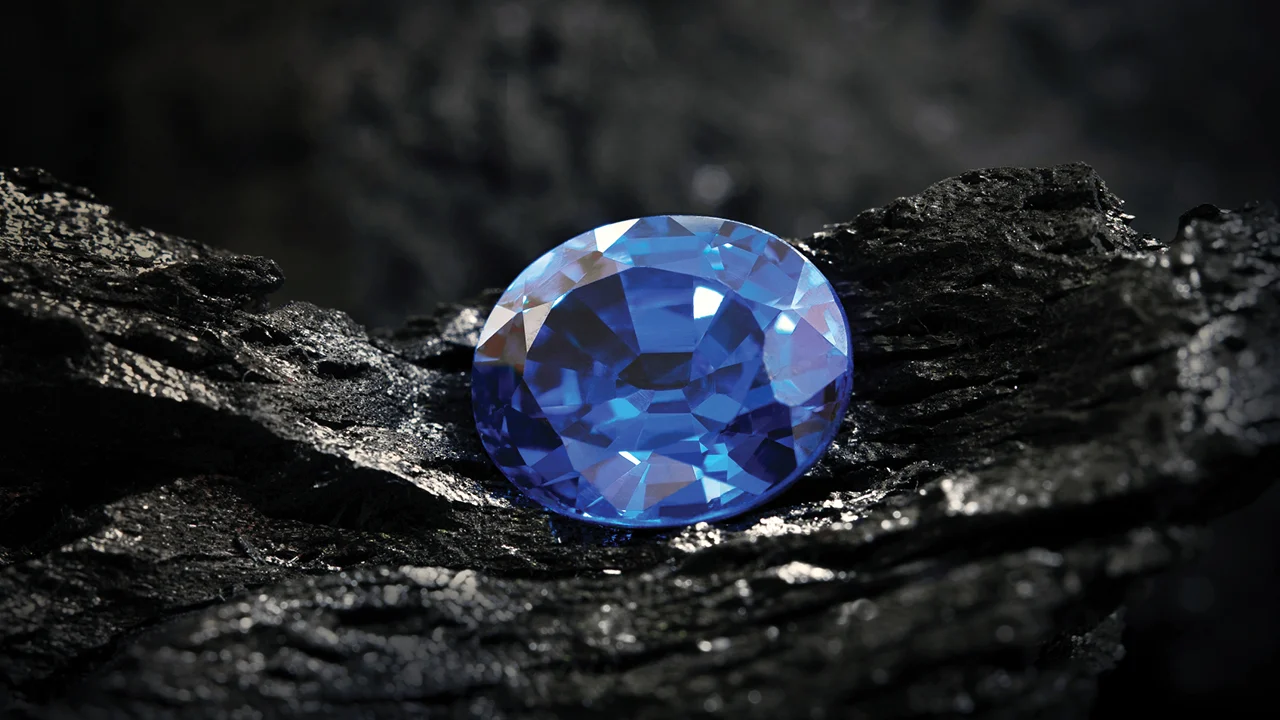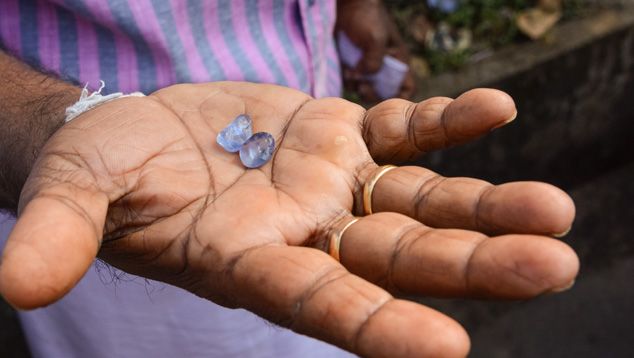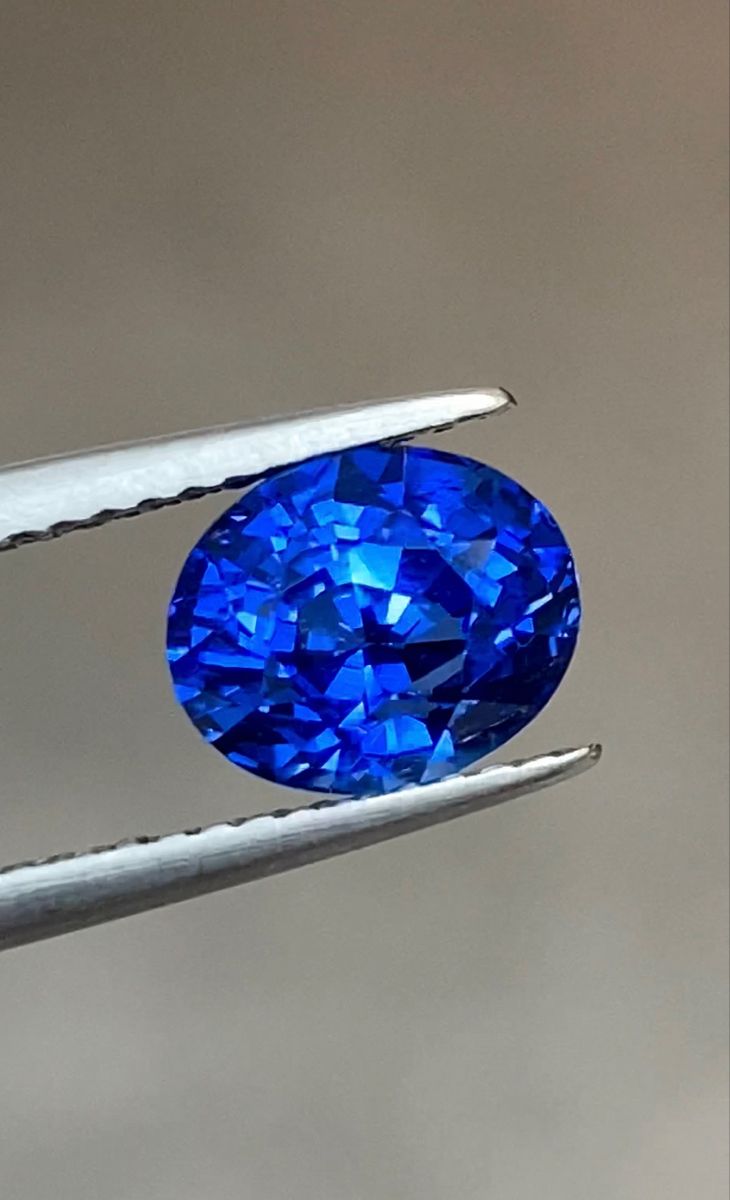
For more than two thousand years, the island of Sri Lanka, once known as Ceylon, and to gem traders as Ratna Dweepa, the “Island of Gems”, has been the world’s most celebrated source of sapphire. A “Ceylon sapphire” is simply a sapphire mined in Sri Lanka, but the name carries a reputation for luminous colour, high clarity and trustworthy origin that few gem sources can match.
This guide walks you through everything that matters when buying a Ceylon sapphire: where it comes from, the colours it appears in, how to judge quality, what treatment and certification mean, and how price is determined, so you can buy with genuine confidence.
What is a Ceylon sapphire?
Sapphire is a variety of the mineral corundum (crystalline aluminium oxide). Pure corundum is colourless; trace elements create its colours, iron and titanium produce blue, iron alone gives yellow, and chromium creates pink (and, at higher concentrations, red, which we call ruby). A “Ceylon sapphire” is corundum mined in Sri Lanka, prized for the brightness and clarity characteristic of the island’s deposits.
Why Sri Lankan sapphires are special
Ceylon sapphires tend to show a slightly lighter, more luminous blue than stones from some other origins, a quality that makes them sparkle rather than darken under evening light. Sri Lanka also yields an unusually high proportion of untreated material and an exceptional range of colours from a single, small geography.
Just as importantly, “Ceylon origin” is itself a mark of desirability that is frequently noted on laboratory reports and reflected in a stone’s value.
The colours of Ceylon sapphire
Sapphire is not only blue. Sri Lanka is famous for a full spectrum of “fancy” sapphires:
- Blue sapphire, from soft cornflower to deep royal blue, the classic and most sought-after.
- Yellow sapphire, lemon to golden honey, known in the Vedic tradition as Pukhraj.
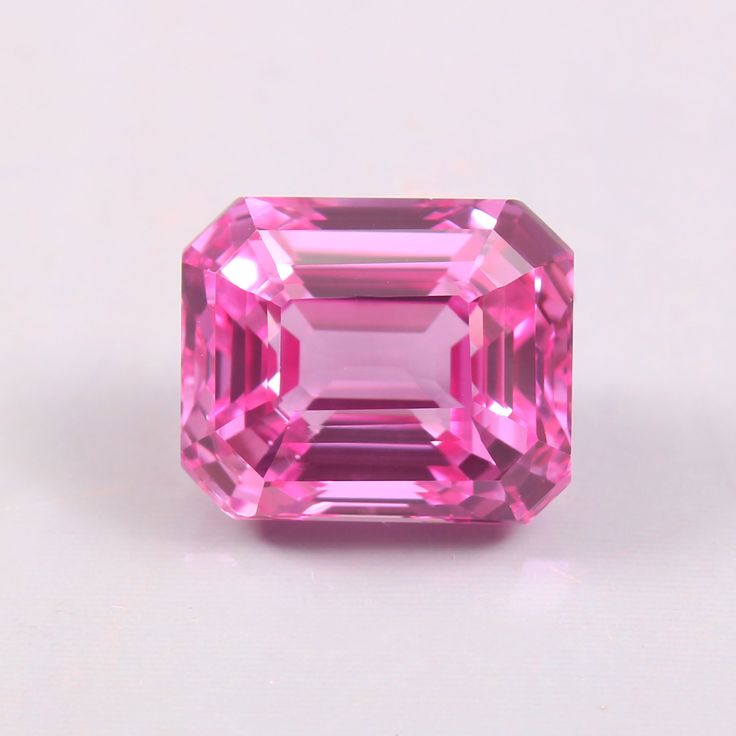
- Pink sapphire, delicate blush to vivid “hot” pink, coloured by chromium.
- White sapphire, colourless and brilliant, a natural diamond alternative.
- Padparadscha, the rare pink-orange “lotus” sapphire, Sri Lanka’s most coveted.
Judging quality: the 4 Cs
As with all coloured gems, quality comes down to colour, clarity, cut and carat, but for sapphire, colour is king.
- Colour, an even, vivid, well-saturated hue that holds up in different lighting is the single biggest value driver.
- Clarity, Ceylon sapphires are usually “eye-clean”; fine silk can even improve colour, but obvious dark inclusions reduce value.
- Cut, a precise cut returns light across the whole stone with no large “windows” (see-through flat zones).
- Carat, price per carat rises sharply with size, especially for fine colour and untreated stones.
Treatment: heated vs. unheated
Heat treatment is an ancient, stable and widely accepted process that improves a sapphire’s colour and clarity. The majority of sapphires on the market are heated. “Unheated” (or “no heat”) sapphires are entirely natural in appearance and command a significant premium, especially in larger sizes and fine colours.
What matters is disclosure: a reputable seller will always tell you a stone’s treatment status in writing, and for any significant purchase the status should be confirmed on an independent laboratory report.
Certification, why it matters
For any sapphire of meaningful value, an independent gemmological certificate is your protection. A report from a recognised laboratory confirms that the stone is natural corundum, states its treatment status, and, depending on the lab and the stone, may indicate geographic origin.
Certification turns a seller’s promise into objective, documented evidence, and makes a stone easier to resell.
How Ceylon sapphire is priced
There is no single “price per carat” for sapphire, value is a combination of factors. In rough order of impact: colour quality, treatment status (unheated commands a premium), clarity, cut and carat weight, all underpinned by certification. Two stones of the same weight can differ in price many times over based on colour and treatment alone.
How to buy with confidence
Buy from a seller who sources at origin, discloses treatment in writing, and offers independent certification. Ask to understand the stone’s colour, clarity and treatment, and how those compare to its price. Whether you are buying a single engagement stone or sourcing wholesale, working directly with a Sri Lankan specialist gives you better selection, honest provenance and pricing that isn’t inflated by intermediaries.
Key takeaways
- Ceylon sapphire = sapphire mined in Sri Lanka, prized for luminous colour and clarity.
- It comes in many colours, blue, yellow, pink, white and the rare padparadscha.
- Colour is the biggest value driver; unheated stones command a premium.
- Always insist on treatment disclosure and independent certification for significant stones.