Behind every Ceylon sapphire is one of the world’s oldest and most distinctive mining traditions. Here is how Sri Lanka’s gems make their way from the ground to your hand.
Where the gems are found
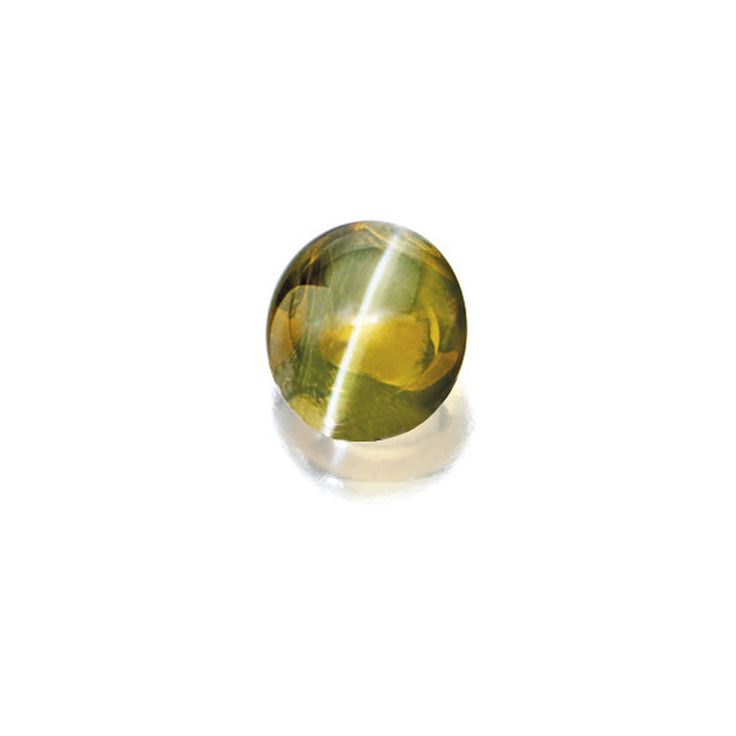
Most of Sri Lanka’s gems come from alluvial gravels, known locally as illam, concentrated around Ratnapura, Elahera and Balangoda. These river-deposited gravels hold sapphire, ruby, chrysoberyl, spinel, garnet and more.
Traditional mining methods
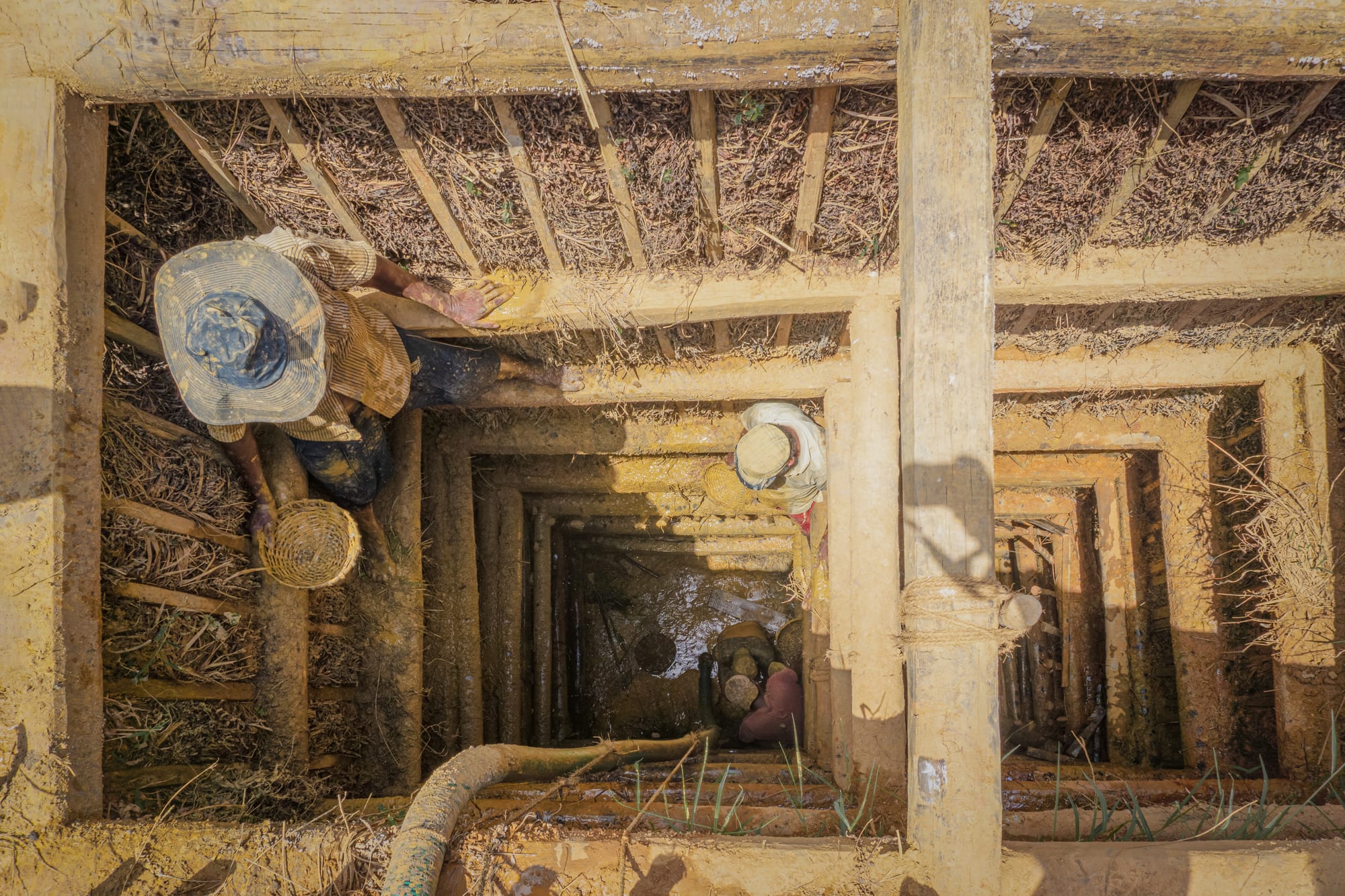
Sri Lankan mining is largely artisanal: small teams dig pits and tunnels by hand, washing gravel in woven baskets to reveal rough stones. This low-impact, labour-intensive approach has changed little in centuries.
An ethical model
Because mining is small-scale and labour-based rather than industrial, Sri Lanka is widely regarded as one of the more ethical gem-sourcing countries, with livelihoods spread across local communities.
From gravel to certified gem
Rough is sorted, then cut and polished by skilled lapidaries, evaluated by gemologists, and, for fine stones, independently certified before reaching buyers worldwide.