Few gemstones carry a reputation like the Ceylon sapphire. For two millennia, Sri Lanka’s sapphires have adorned royalty, filled the world’s great jewellery houses, and set records at auction. But reputation aside, what actually makes them so famous?
A 2,000-year legacy
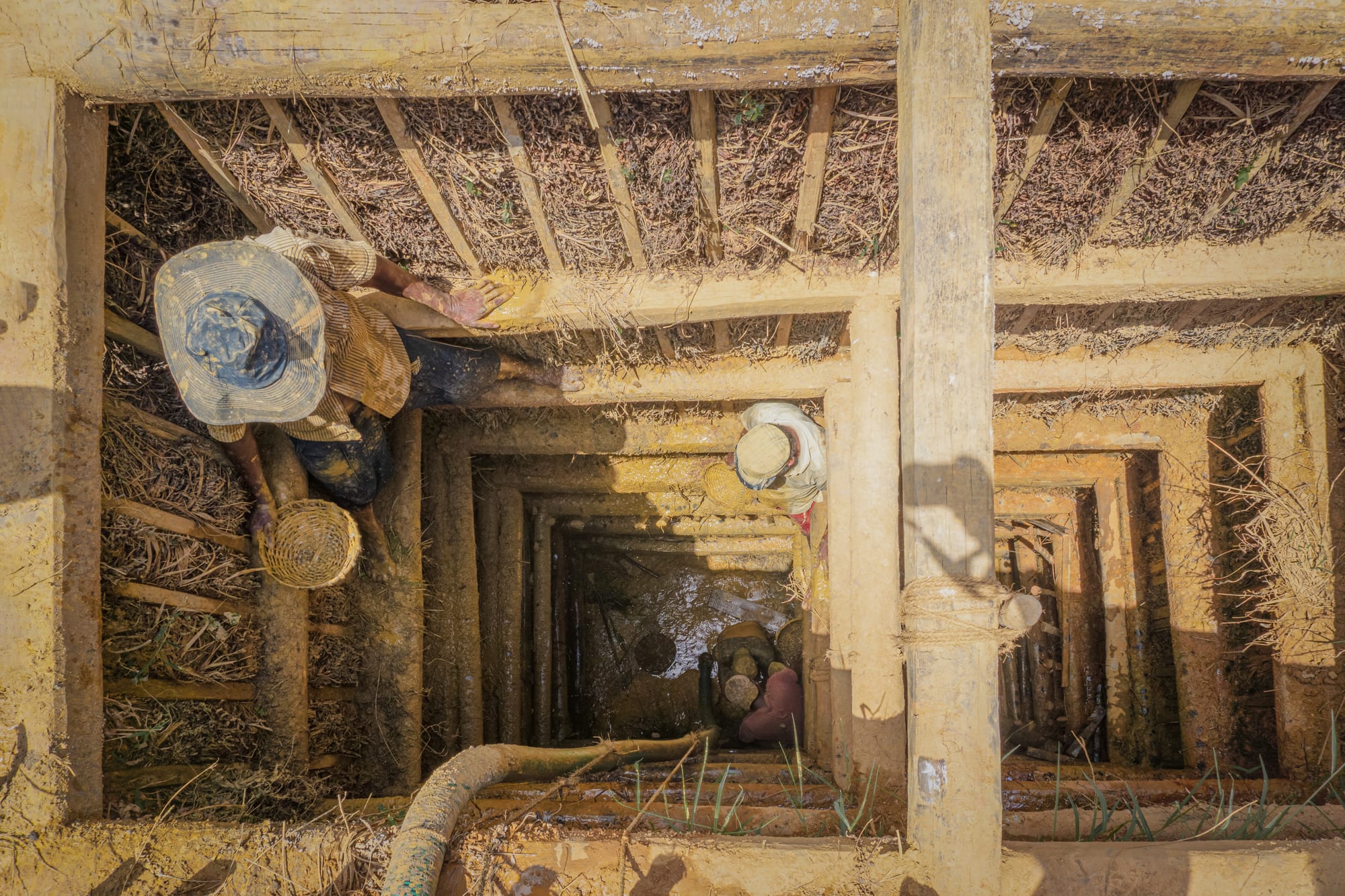
Sri Lanka has been mining and trading sapphire since antiquity. Ancient traders called the island Ratna-Dweepa, the “Island of Gems”, and its stones travelled the Silk Road to the courts of Persia, Greece and Rome long before most gem sources were known.
Luminous colour
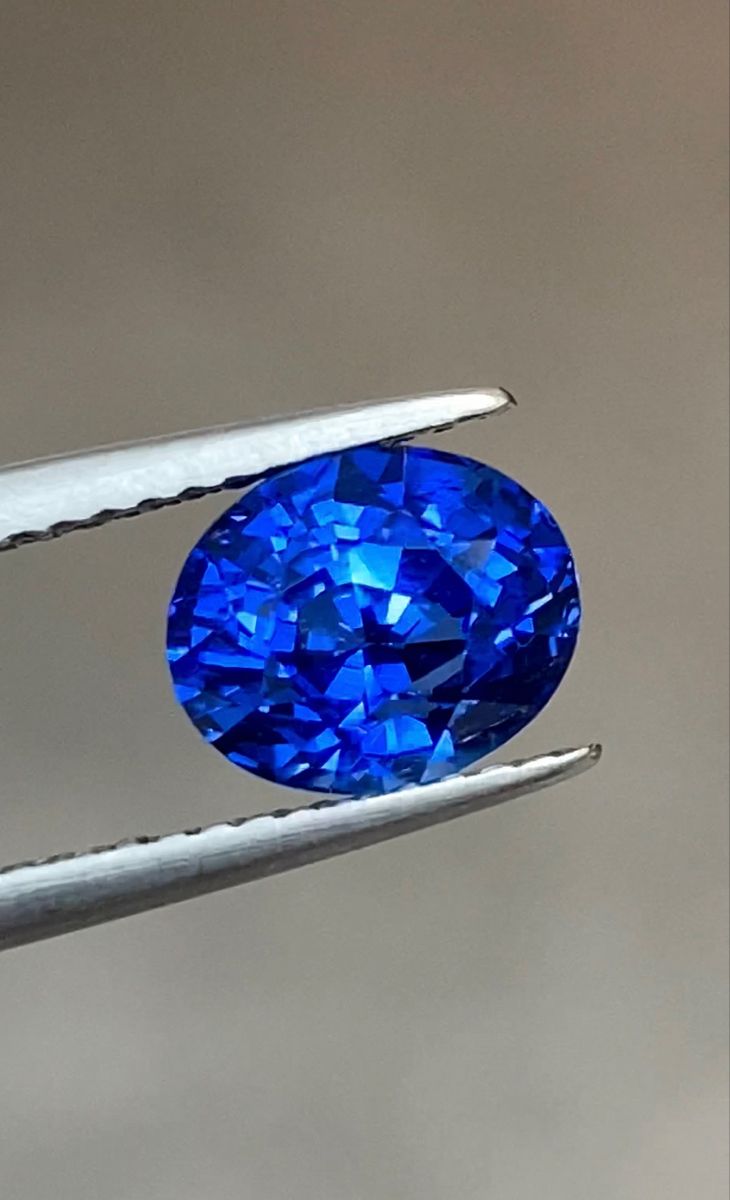
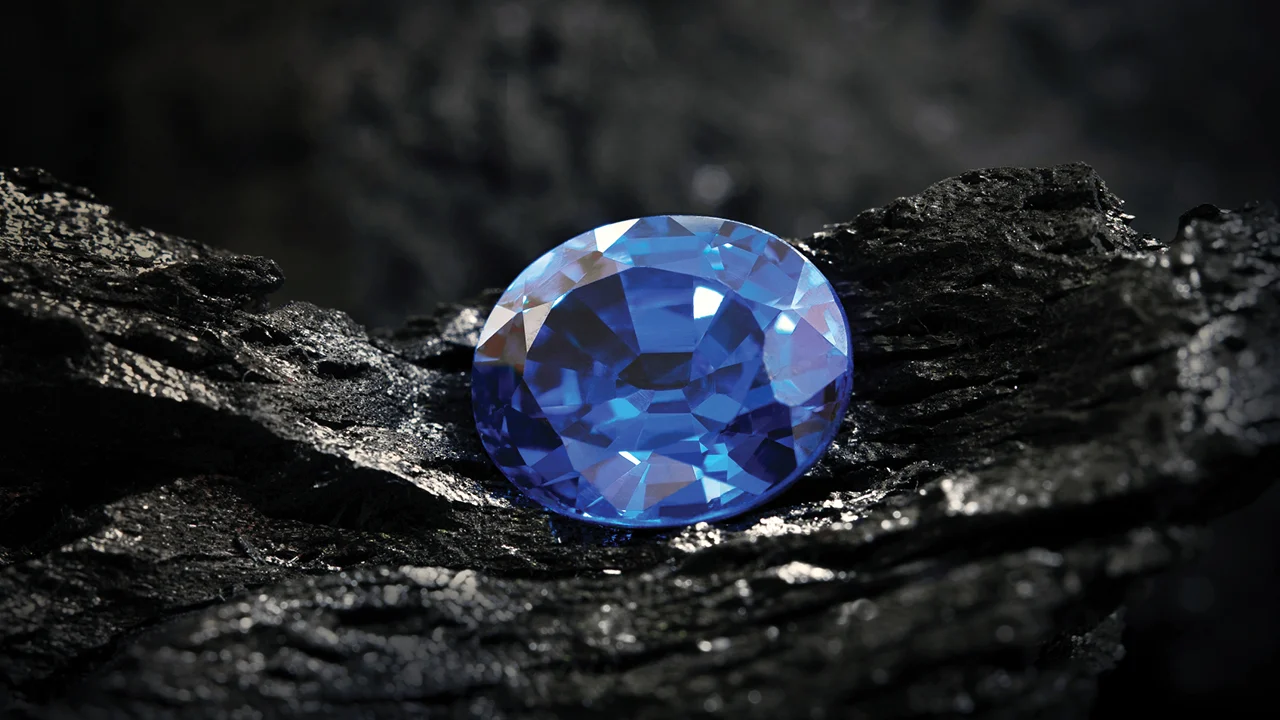
Ceylon sapphires are famed for a bright, slightly lighter blue that stays vivid in both daylight and artificial light, where some darker stones can look inky. This “alive” quality is one reason designers and collectors seek them out.
Clarity and untreated material
Sri Lankan deposits yield exceptionally clean stones and a high proportion of untreated sapphire, a combination that is increasingly rare and highly prized.
Royal and record-setting stones
Some of the world’s most famous sapphires are of Ceylon origin, and the island continues to produce stones that achieve premium results at international auction, reinforcing the desirability of the “Ceylon” name.