No sapphire is more romantic, or more misunderstood, than the padparadscha. This guide explains what makes a stone a genuine padparadscha and why Sri Lanka is its spiritual home.
What defines a padparadscha
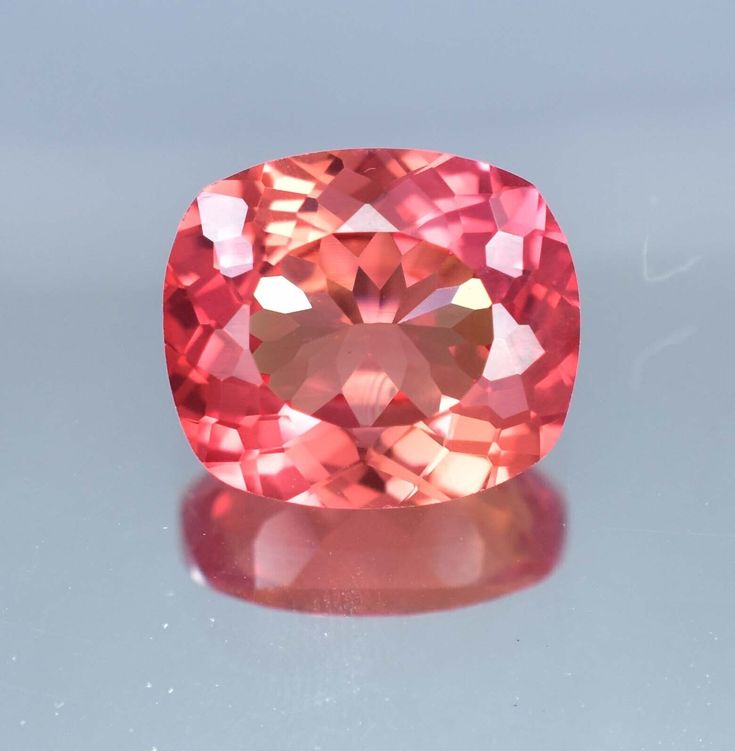
A true padparadscha shows a delicate, harmonious blend of pink and orange, the colour of a lotus blossom or a tropical sunset, from which it takes its Sinhalese-derived name. Stones that are predominantly pink (pink sapphire) or predominantly orange do not qualify.
Why Sri Lanka is its home
Sri Lanka is the classic and most respected source of padparadscha, and Ceylon origin is often reflected in a stone’s desirability and value.
Why it’s so valuable
The exact pink-orange balance occurs in only a tiny fraction of corundum, and fine, well-balanced stones in larger sizes are among the rarest gems on earth, which is why padparadscha can rival or exceed blue sapphire in price.
How to buy one
Because the name carries enormous value, always buy a padparadscha with an independent laboratory report classifying the colour. Look for an even, glowing pink-orange rather than a stone that leans strongly to one side.